Beyond the Ordinary
This is where my journey continues.

Introduction
I am a retired Critical Care Paramedic with nearly 30 years of experience in Emergency Medical Services (EMS) and Healthcare Education. Throughout my career, I transitioned from clinical practice into healthcare education, where I currently serve as the American Heart Association (AHA) Training Center Coordinator at CAMC Vandalia Health. My professional journey has been shaped by hands-on experience, leadership roles, and a commitment to lifelong learning.
The Regents Bachelor of Arts (RBA) program provides an opportunity to formally recognize the knowledge and skills I have developed throughout my career while allowing me to complete my degree. This model aligns with adult learning theory, which emphasizes the value of experiential knowledge and self-directed learning (Knowles et al., 2020). Earning this degree represents both a personal achievement and a professional milestone. This essay outlines my educational journey, the development of my skills through experience, the integration of academic concepts into my work, and my future goals in healthcare education.
Educational Journey
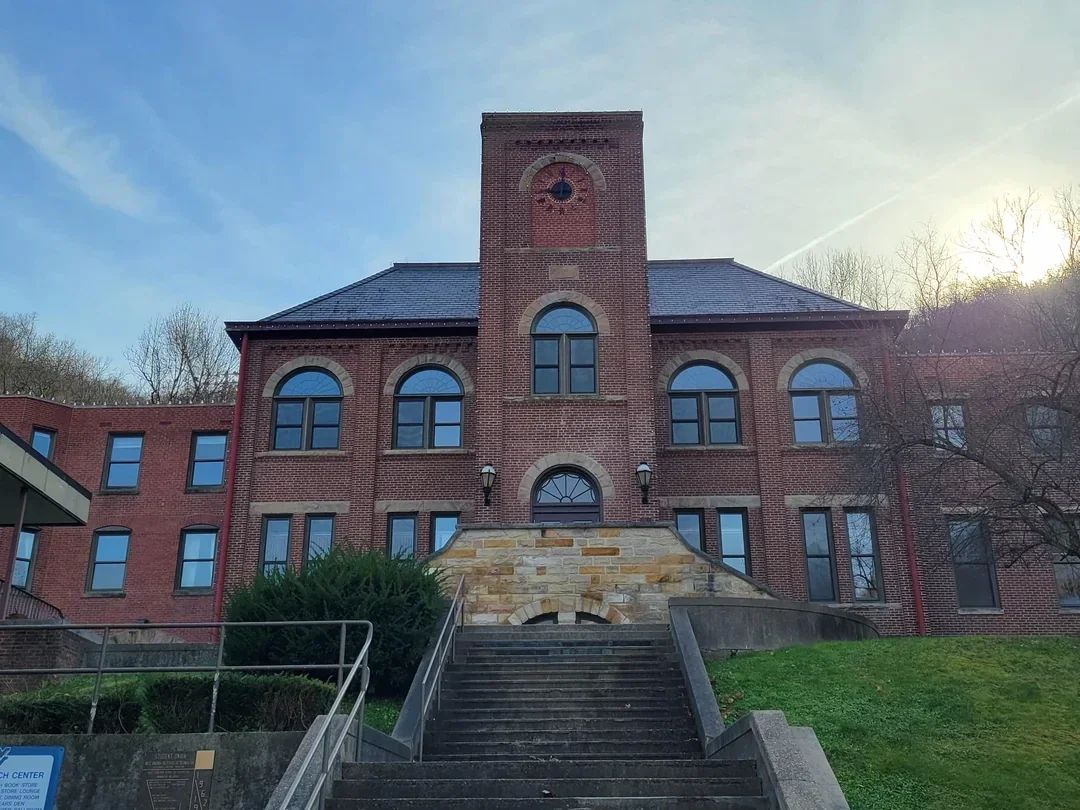
My educational path began in 1990 at West Virginia Institute of Technology, where I initially pursued a degree in Chemical Engineering. Early academic and life challenges led to setbacks, including an academic suspension, which delayed my progress. However, these experiences ultimately redirected me toward a career better aligned with my interests and strengths.
I had an interest in Emergency Medical Services that I constantly thought of. I finally made the decision to pursue this and see where it took me. I began with Emergency Medical Technician training and progressed to the paramedic certification level. This transition marked a turning point, as I discovered a passion for hands-on learning and patient care. Experiential learning theory supports this type of development, emphasizing that knowledge is created through transformation of experience . The recognition of how I learned and how I could be an effective educator using these methods led to the pursuit of EMS education and leadership. My success in EMS education helped rebuild my confidence as a learner and reinforced my ability to succeed academically.
Over time, I continued to expand my education through advanced certifications in EMS, fire service, and instructional methodologies. I attended every course that I could locate that concerned learning methods and even educational psychology. Returning to WVU Institute of Technology to complete my RBA degree represents the continuation of a journey that began decades ago, now supported by both academic learning and extensive professional experience.
Learning Outcomes and Skills
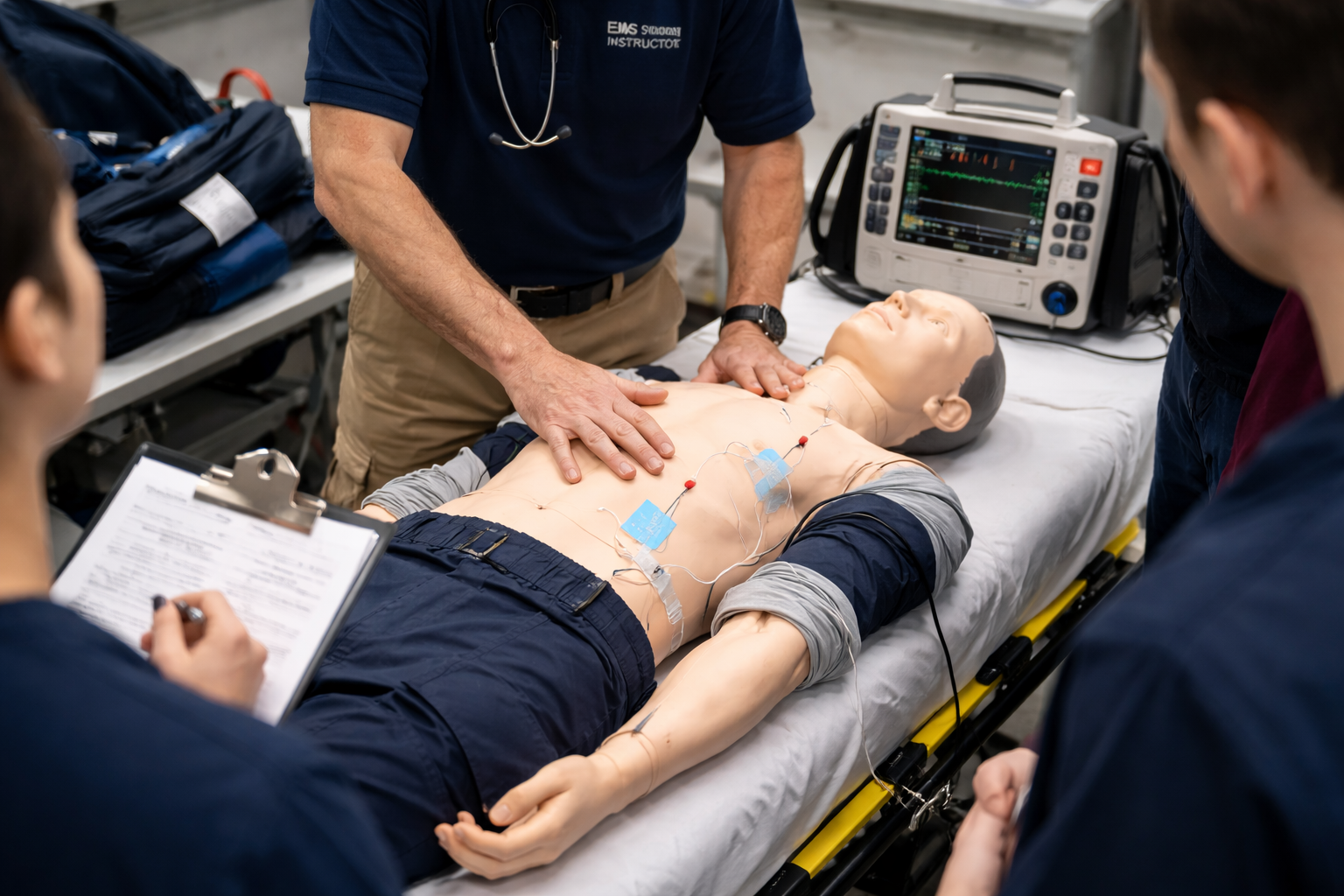
By utilizing my earned college credits from my early years and combining them with other college credits earned in EMS and the credits that I have recently completed I have met the required hours for a general RBA. However, throughout my career, I have developed a wide range of skills that align closely with the learning outcomes of the RBA with emphasis on health care services. My EMS background strengthened my ability to think critically, make rapid decisions, and perform thorough patient assessments in high-pressure situations.
In addition, I have gained strong communication and leadership abilities through my work as a paramedic, instructor, and training officer. Teaching EMS and fire service personnel has allowed me to refine my instructional techniques and develop the ability to mentor others effectively. These skills align with principles of adult education, which emphasize practical application and learner engagement.
In my current role as the AHA Training Center Coordinator, I oversee instructor development, maintain quality assurance, manage educational programs, and ensure compliance with evidence-based standards. This reflects core competencies in leadership, teamwork, and organizational management, all of which are essential in both healthcare and public service environments .
Integration of Learning
One of the most significant aspects of my educational experience is the integration of academic concepts with real-world application. The principles of public administration are directly reflected in my current role, where I manage instructors, coordinate training programs, and oversee organizational processes within a healthcare system. Public administrators are responsible for implementing policy, managing resources, and ensuring accountability within organizations.
My experience in EMS has also provided insight into health insurance systems, particularly through documentation, billing, and reimbursement processes. Understanding these systems is essential in modern healthcare, where financial structures influence access to care and service delivery .
Additionally, I have developed a deep understanding of sociological concepts related to illness, healthcare, and death through both professional and personal experiences. Supporting patients and families during end-of-life situations has strengthened my awareness of grief, cultural practices, and the human aspects of healthcare, which are key components of sociological study in medicine .
As an educator, I continuously apply this combined knowledge when teaching healthcare providers. This allows me to bridge the gap between theory and practice, ensuring that learners not only understand concepts but can apply them effectively in real-world situations.

Career and Future Goals
My career goals center on continuing to grow within healthcare education and improving the quality of training provided to healthcare professionals at CAMC Vandalia Health. I am committed to developing educational programs for instructors and student learners that enhance their knowledge and practical skills. This ultimately contributes to better patient outcomes.
I plan to continue strengthening my leadership and administrative abilities, using them to improve training systems and support instructor development. Completion of the RBA degree is an important step in this process, as it formalizes my education and prepares me for advanced opportunities.
Looking ahead, I intend to pursue a master’s degree in healthcare management or administration. This aligns with the increasing need for skilled leaders who can navigate complex healthcare systems and improve organizational performance.


Conclusion
My educational journey reflects significant personal and professional growth. From early academic challenges that I was able to turn into a successful career in EMS and healthcare education, I have developed the skills and knowledge necessary to meet the outcomes of the Regents Bachelor of Arts program.
My experience in fire service, EMS, and education has provided a solid foundation of experiential learning that aligns with academic principles. The RBA degree not only recognizes this learning but also supports my continued development as an educator and leader.
Ultimately, my work in educating healthcare providers contributes to improving patient care and strengthening the healthcare system. Completing this degree represents both the culmination of my past efforts and the beginning of future opportunities.